Every spring in Annapolis, I start getting the same phone call.
Someone has been thinking about buying a boat for years. Maybe they grew up on the water. Maybe they’ve spent enough weekends watching sailboats from the Eastport Bridge that something finally clicked. Maybe their kids are old enough now, or they’re tired of asking friends for an invite.
They’re ready. And almost every one of them says the same thing:
“I have no idea where to start.”
That’s not a character flaw. Buying a boat is nothing like buying a car. There’s no Carfax. Listings are often misleading. The inspection process is completely different. And the Chesapeake Bay has its own set of rules that most boat-buying guides on the internet completely ignore — because they weren’t written by someone who actually works these waters.
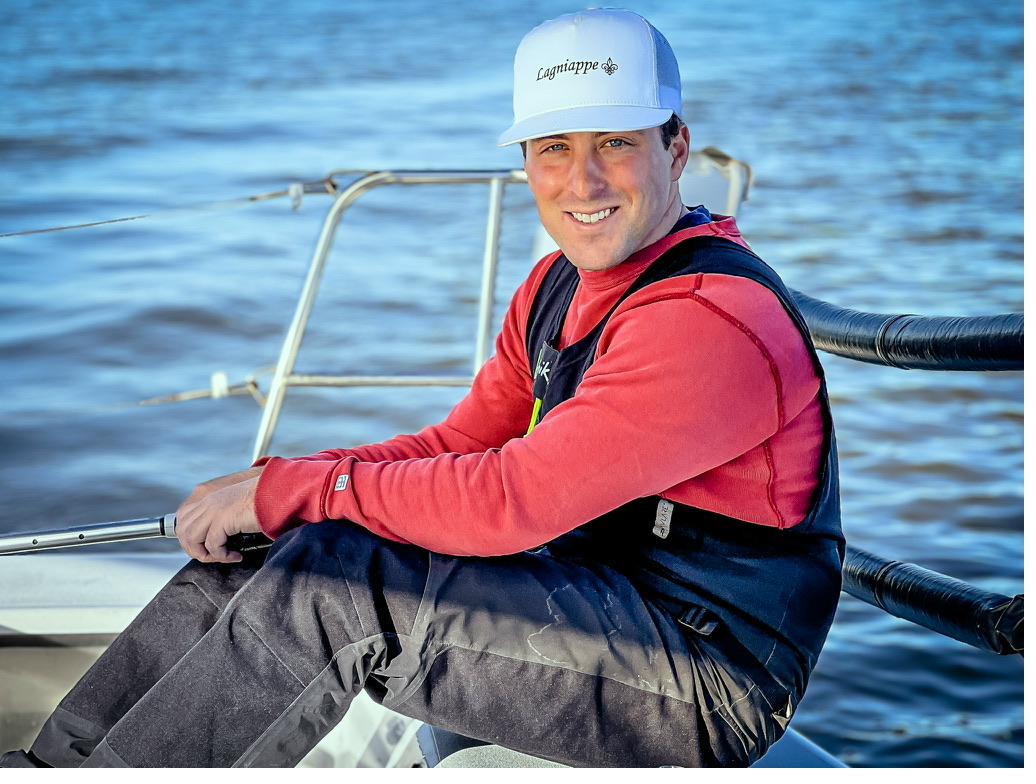
I’m a USCG 100-ton Master Captain and marine advisor based in Annapolis. I’ve helped buyers purchase everything from $8,000 starter sailboats to six-figure motor yachts. I’ve attended hundreds of surveys and sea trials, delivered boats up and down the East Coast, and trained new owners who couldn’t tell a cleat from a chock on day one.
This is the guide I wish existed when people first call me. Everything I actually tell buyers — step by step — so you know exactly what you’re getting into before you spend a dollar.
Start With How You’ll Use It, Not What Looks Good
Most people begin by scrolling YachtWorld or Boat Trader. That’s like shopping for a house by looking at kitchens on Instagram. You end up chasing the wrong thing.
The single most important question isn’t what brand or how many feet. It’s: how are you actually going to use this boat on a normal Saturday?
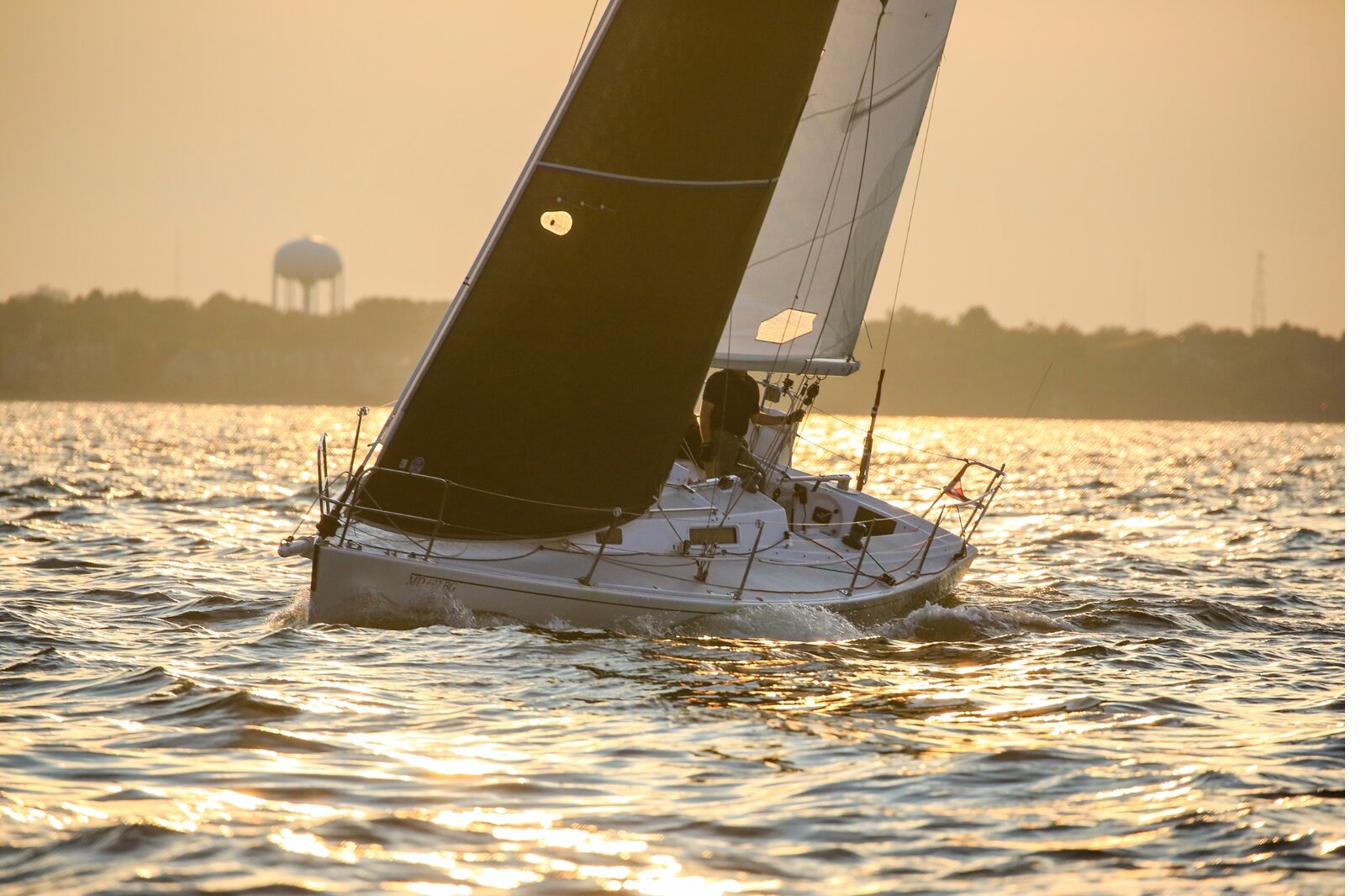
Someone who wants to anchor in the West River with a cooler and some friends needs a completely different boat than someone planning overnight trips to St. Michaels. A family with young kids has different priorities than a couple looking at retirement cruising. A guy who wants to race Wednesday nights at Annapolis Yacht Club is shopping in a different universe than someone who wants to fish the Bay Bridge pilings at dawn.
When I sit down with a buyer for the first time, we don’t talk about boats. We talk about weekends. That conversation alone usually narrows hundreds of listings down to a handful of smart options.
The Budget Myth
The biggest misconception about boating is that you need deep pockets to get started. That’s simply not true.
I’ve helped people find solid, safe, enjoyable boats for under $15,000. They won’t have teak decks and air conditioning, but they float, they run, and they’ll give you the best summers of your life. On the other end, I’ve helped clients acquire boats worth hundreds of thousands — and some of those owners aren’t any happier on the water than the guy with a 25-footer and a fishing rod.
What matters more than the purchase price is understanding the full picture: slip fees, insurance, winterization, bottom paint, engine service, and the occasional surprise. I walk buyers through realistic annual cost estimates before we ever look at a listing. No one should be blindsided by ownership costs six months after closing.
Quick rule of thumb: Budget roughly 10% of the boat’s purchase price annually for maintenance and storage. A $50,000 boat typically runs around $5,000–$7,000 per year in upkeep. That covers a slip, insurance, basic maintenance, and winterization on the Chesapeake.
Choosing the Right Boat for the Chesapeake
The Chesapeake Bay is not the ocean. It’s not a lake either. It’s a massive, shallow estuary with quirks that reward certain boats and punish others.
Draft matters here. A lot. Boats that draw five or six feet will lock you out of half the best anchorages on the Bay. Shoal-draft designs — or boats with outboards, which typically sit higher — open up dramatically more cruising ground. I’ve watched buyers fall in love with deep-draft bluewater sailboats only to realize they can’t get into the Rhode River without running aground.
Conditions change fast too. A calm morning can turn into a short, choppy 3-foot sea by afternoon when the southerly fills in. Hull shape matters. Planing hulls are fast but can pound in a chop. Displacement hulls are slower but handle rough conditions with less drama. Semi-displacement hulls — popular on trawlers and larger cruisers — split the difference.
Slip availability also influences what boats make sense. Some Annapolis marinas can’t accommodate boats over 40 feet. Others have waitlists for anything with beam over 14 feet. I help buyers think about the slip situation before they fall in love with something that has nowhere to live.
Ready To Start Looking?
See how buyer representation works or talk through options with Captain Shane — no pressure, no commitment.
Find Your Boat Call 443.615.4413Powerboat Decisions: Outboard vs. Inboard
For powerboat buyers on the Chesapeake, the engine question comes up immediately.
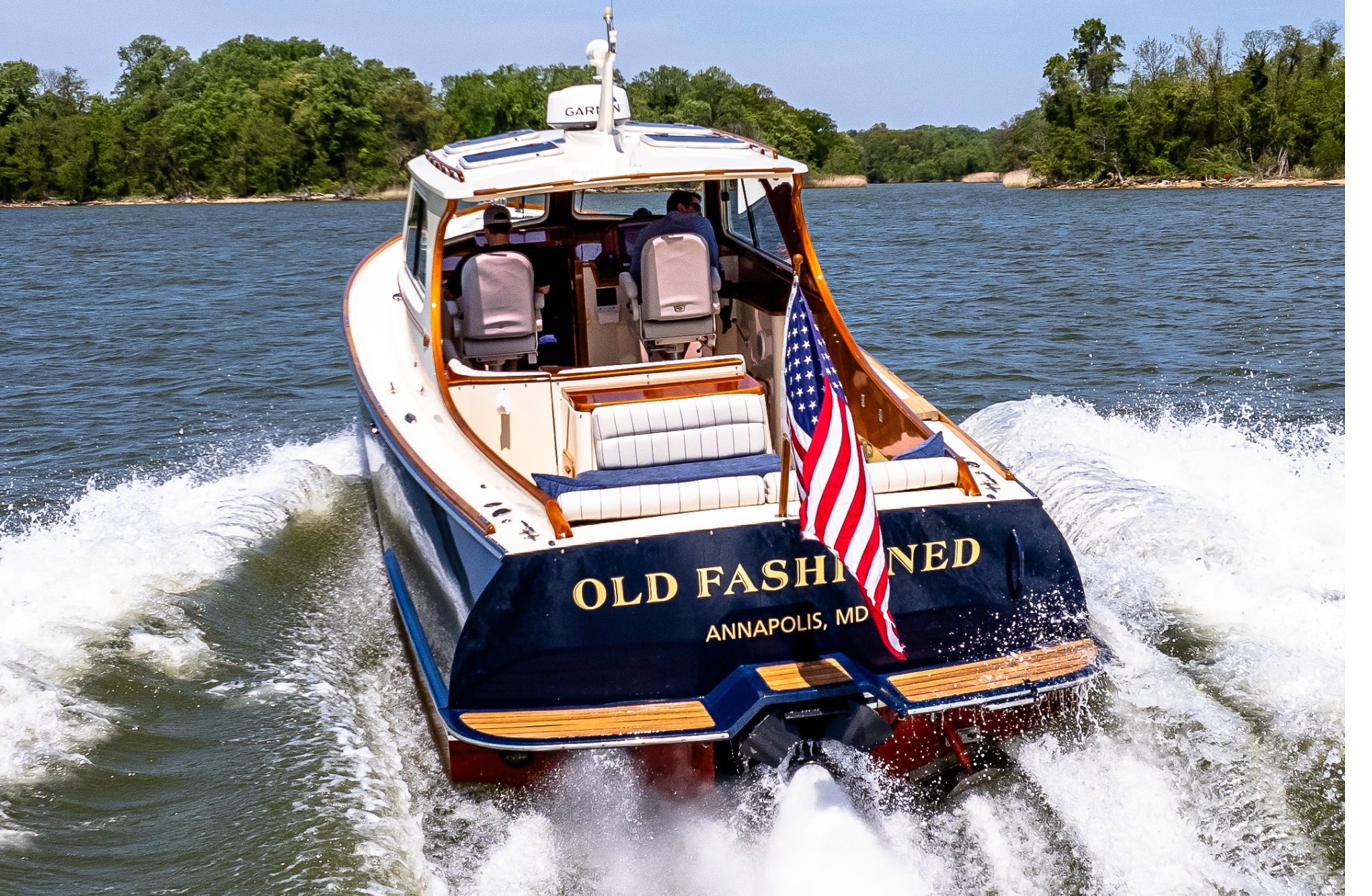
Outboards dominate the market right now — and for good reason. They’re easier to service, lighter, more fuel-efficient, and they tilt up for shallow water. Resale demand is incredibly strong. Center consoles with twin outboards are some of the most sought-after boats on the Bay.
Inboards still make sense on larger cruisers and express boats where you want the weight lower and centered for offshore stability. Diesel inboards on bigger boats are workhorses — they last forever with proper maintenance and burn less fuel than gas equivalents.
There’s no universally right answer. It depends on boat size, how you use it, and where you keep it. This is the kind of thing I help buyers evaluate before they ever step foot on a dock.
Things First-Time Buyers Always Underestimate
After years of working with buyers, I see the same surprises come up again and again.
Having a head (bathroom) matters more than you think. Even on a day boat. Once you’re anchored out with friends and family, access to a head is the difference between a four-hour trip and an all-day adventure. It sounds minor until you’re out there.
Sun protection is non-negotiable on the Chesapeake. July on the Bay is relentless. Boats without hardtops, biminis, or enclosures get used far less than owners expect. When I evaluate boats with buyers, shade and ventilation are near the top of the list.
Overnight capability is worth thinking about carefully. Many first-time buyers want cabins, galleys, and sleeping accommodations. Some of them end up loving it. But a surprising number discover they use the boat 90% for day trips and wish they’d bought something simpler with more deck space and less to maintain. Think honestly about how you’ll actually spend most of your time aboard.
How To Actually Search for the Right Boat
Online listings are a starting point — never a finish line. Photos are shot on the best day that boat ever had. Descriptions are written by people trying to sell you something. Key details get omitted. Deferred maintenance hides behind fresh wax and wide-angle lenses.
When I help buyers search, we’re reading between the lines. Engine hours relative to the boat’s age. Service records or lack thereof. Location and storage history. How long the boat has been on the market and what that might signal. Details that experienced eyes catch instantly and first-time buyers almost never notice.
I also pull from listings across every major platform — YachtWorld, Boat Trader, Facebook Marketplace,. Sometimes the best deals aren’t even publicly listed yet.
The Marine Survey: Your Most Important Protection
If there’s one piece of advice I give every buyer without exception, it’s this: never skip the survey.
A marine survey is a comprehensive inspection performed by a certified surveyor. They evaluate the hull, deck, structural core, mechanical systems, electrical, safety equipment, rigging (on sailboats), and overall condition. A good surveyor will find things you would never see — moisture intrusion behind fiberglass, corroded wiring, through-hulls that haven’t been serviced in years, or standing rigging that’s past its safe lifespan.
Surveys typically cost between $15 and $25 per foot. On a 35-foot boat, that’s $500–$875. I’ve seen surveys save buyers tens of thousands of dollars by catching problems that would have become their responsibility after closing.
I attend every survey with my clients. Not because I don’t trust the surveyor, but because I can help interpret findings in real time, estimate repair costs from experience, and immediately advise on whether an issue is a dealbreaker, a negotiation point, or something minor.
Pro tip: Schedule both a hull survey and an engine survey. They’re usually performed by different specialists. The hull surveyor covers structure and systems. A diesel mechanic or marine engine tech evaluates the powerplant separately. Skipping the engine survey is one of the most expensive mistakes I see.
Sea Trials: More Than a Test Drive
A sea trial is your chance to feel how the boat actually performs on the water — and it tells you far more than any listing ever could.
On a powerboat, we’re checking engine performance at idle, cruising speed, and wide-open throttle. We’re watching for vibration, exhaust color, temperature and oil pressure readings, how the boat handles turns, and whether the electronics and navigation gear work properly. We’re running the generator, testing the air conditioning, flushing the head, and checking every system that the owner claims works.
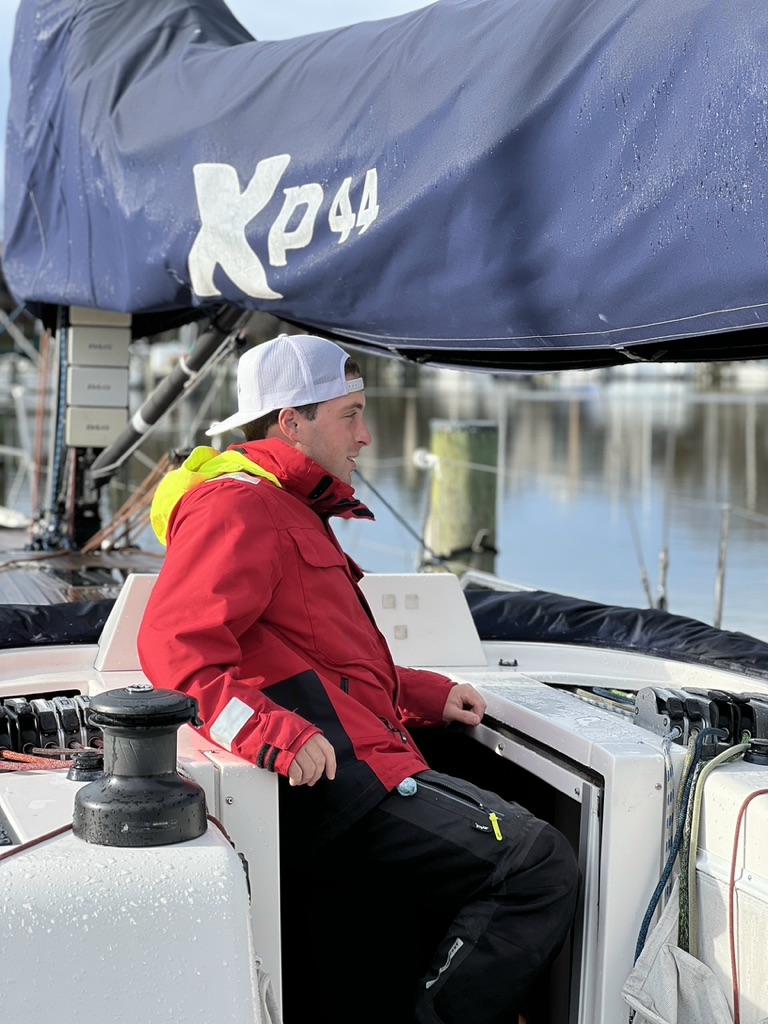
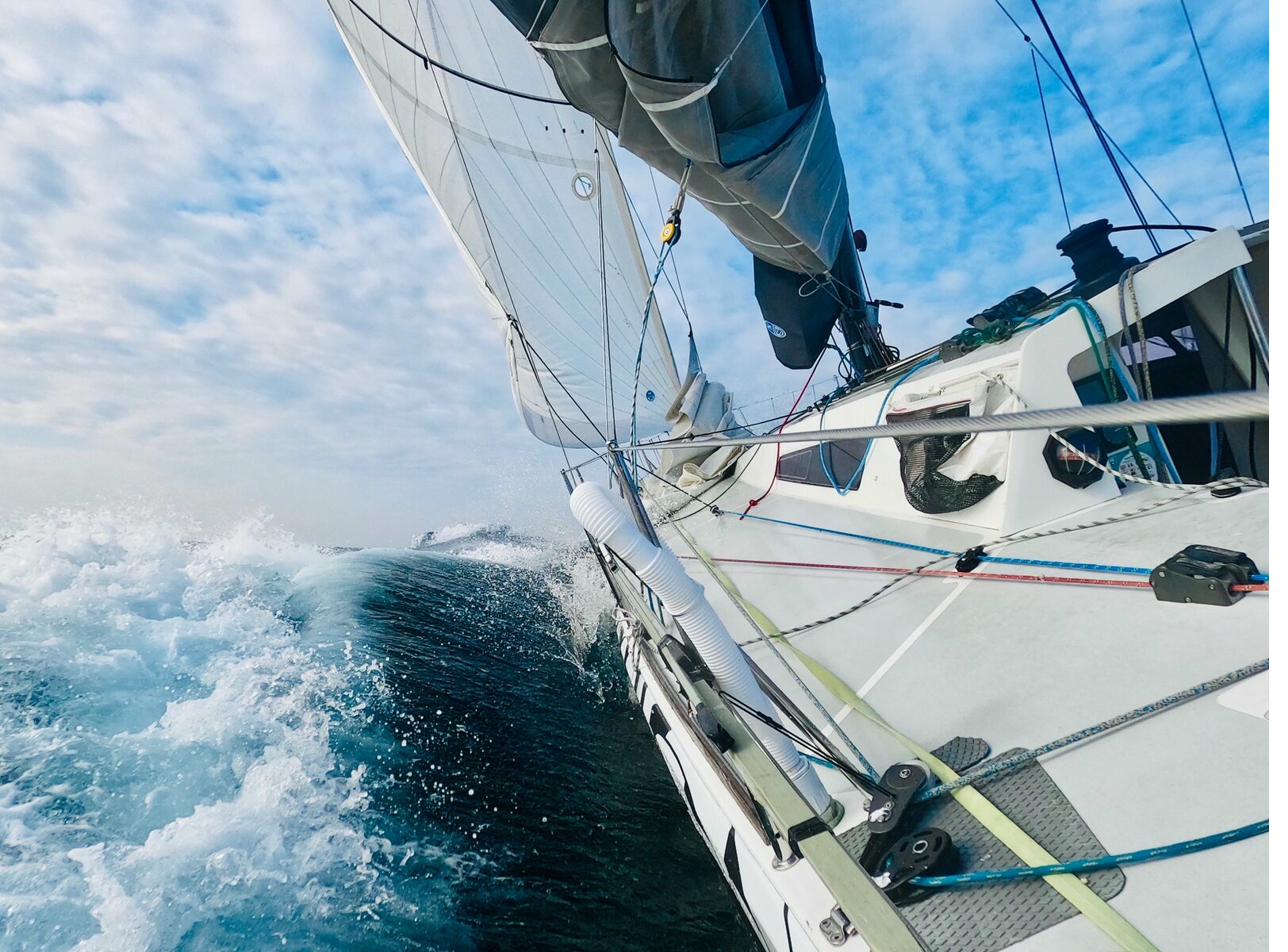
On a sailboat, we’re evaluating sail condition, rig tension, helm balance, pointing ability, and how the boat moves through tacks and jibes. We’re inspecting running rigging under load, testing winches, and checking the engine under power.
As a licensed captain, I operate the sea trial so the buyer can focus on evaluation rather than trying to drive an unfamiliar boat in an unfamiliar harbor. I know what normal sounds like and what should raise a red flag.
Negotiation, Closing & Getting the Keys
Once a boat passes survey and sea trial — or more realistically, once you have a clear picture of what needs attention — negotiation begins.
Survey findings are your leverage. A competent buyer’s representative uses specific, documented issues to negotiate price reductions or seller-funded repairs. This isn’t about nickeling and diming. It’s about making sure the price reflects the boat’s actual condition, not the listing condition.
After terms are agreed, the closing process involves contracts, title transfer, insurance binding, documentation, and final logistics. On the Chesapeake, state registration and titling go through Maryland DNR for Maryland-kept boats. I coordinate the paperwork flow so nothing falls through the cracks.
Then comes delivery. Many buyers need the boat moved from where it was purchased to their home marina. I handle yacht deliveries throughout the Chesapeake and up and down the East Coast — whether that’s a 20-minute motor across Annapolis Harbor or a multi-day coastal run.
After the Purchase: Learning Your Boat
Signing the papers is the beginning, not the end. Every boat handles differently. Docking a 38-foot sailboat is nothing like docking a 28-foot center console. Navigation systems vary wildly. And there are a dozen systems aboard — from shore power to holding tanks to raw water cooling — that most new owners don’t fully understand on day one.
That’s where captain services become incredibly valuable after a purchase. I spend time aboard with new owners covering everything: system walkthroughs, docking practice in their actual slip, navigation training on their electronics, safety procedures, and whatever else builds confidence fast.
The goal is simple: get you comfortable enough to take the boat out on your own within the first few outings, rather than spending an entire season feeling unsure.
New Boat Owner? Let’s Get You Comfortable.
Docking lessons, system walkthroughs, and navigation training on your boat, in your slip, on your schedule.
Captain Services Call ShaneEnjoying the Chesapeake After You Buy
This is the part nobody writes about enough — because it’s the whole point.
Morning coffee in your cockpit before the marina wakes up. Threading through Kent Narrows at slack tide with crabs on your mind. Anchoring in the Rhode River on a Tuesday evening because you can. Sunset sails past the Naval Academy dome. Raftups in the West River with boats you’ve never met. Wednesday night racing at Annapolis Yacht Club where the only thing that matters is getting to the pin first.
The Chesapeake Bay is one of the greatest cruising grounds on the East Coast. St. Michaels is a two-hour sail from Annapolis. Rock Hall is a day trip. The Choptank River, Oxford, Solomons Island, the Wye — there are lifetimes of exploring within a single body of water.
If you want to experience the Bay before committing to ownership, private charters through Best Boating Annapolis are a great way to get on the water first.
How Buyer Representation Works (And Why It’s Usually Free)
This surprises almost everyone I talk to. In most boat sales transactions, the seller pays the commission — and that commission is split between the listing broker and the buyer’s representative. Which means buyers can have full professional representation throughout the entire process at no additional cost.
That includes help with boat selection, market analysis, listing evaluation, survey coordination, sea trial operation, negotiation, closing logistics, and post-purchase delivery and training. All of it.
Going through the process without representation means you’re negotiating against a listing broker whose job is to protect the seller’s interests. Having professional representation — especially from someone who’s also a licensed captain and can physically evaluate the boat — is a significant advantage.
You can learn more about how that works on the Buy a Boat page, or just call me and I’ll walk you through it in five minutes.
The Mistakes That Cost People Thousands
In my years of doing this, I see the same expensive mistakes over and over:
Buying on appearance alone. A boat can look immaculate and have a rotten core, corroded wiring, or an engine with 4,000 hours of deferred service. Pretty doesn’t mean sound.
Skipping the survey to “save money.” A $600 survey routinely saves buyers $5,000–$20,000 in avoided repairs or renegotiated price. It’s the single highest-ROI expense in the entire buying process.
Not understanding Chesapeake-specific requirements. Deep draft in shallow waters. No shade in brutal summers. Boats that draw too much for popular anchorages. Engines that can’t handle the Bay’s brackish water cooling needs. These are things a local advisor and captain catches that a generic online listing never mentions.
Ignoring slip logistics. Buying a 45-footer when your marina maxes out at 40. Purchasing a catamaran without confirming beam restrictions. Closing on a boat in October without a winter storage plan. All of these happen more often than you’d think.
Going in without representation. You wouldn’t buy a house without a buyer’s agent. The commission structure works the same way in boat sales — and having someone in your corner who knows boats, knows the Bay, and knows the process makes the difference between a great experience and an expensive lesson.
Bottom line: Buying a boat should feel exciting, not overwhelming. Having guidance from someone who has done this hundreds of times — and who can physically evaluate the boat with a captain’s eye — makes all the difference. Call me anytime. The conversation is always free.