Introduction
When you're 500 miles from land and your headsail develops a tear along the leech, there's no sailmaker coming to help. The repair is on you, and the quality of that repair might determine whether you make port comfortably or limp in under jury rig.
This guide is built from 15 years of offshore experience, including passages across the Atlantic, deliveries up and down the East Coast, and more Wednesday night races than I can count.
"A sail repair done right at sea will often outlast the sail itself. A repair done wrong will fail at the worst possible moment."
Philosophy: Understanding Before Fixing
Before you stick a single piece of tape on a damaged sail, you need to understand why the damage occurred. Most sailors skip this step and jump straight to patching — and most of those repairs fail within hours or days.
The Three Questions
- What load caused this failure? Was it flogging, an oversheet situation, UV degradation, or chafe?
- Is the root cause still present? If your leech line cleat is causing chafe, patching the chafe without fixing the cleat is pointless.
- Can I redirect or reduce the load? Sometimes the best repair includes a modification to how you're using the sail.
Understanding Load Paths
Every sail has invisible highways running through it — paths where the forces from the wind travel through the fabric to the attachment points.
Primary Load Paths
- Head to clew: The leech carries enormous tension, especially when sheeted hard.
- Tack to clew: The foot is loaded but typically less than the leech.
- Luff: Carries the attachment loads to the stay or mast.
The Repair Kit
Adhesive Tapes
- Sail repair tape (Dacron): 3" and 6" widths, at least 25' of each
- Spinnaker repair tape: Lightweight ripstop for light air sails
Sewing Supplies
- Needles: Assorted sailmaker's needles, sizes 13-18
- Thread: Waxed polyester in V-69 or V-92 weight
- Sailmaker's palm: Essential for pushing needles through layers
Basic Repair Procedures
- Assess the damage and check for continued tearing
- Stop the tear with perpendicular tape at each end
- Clean the area with rubbing alcohol
- Align edges and apply tape to both sides
- Burnish thoroughly with a hard object
Final Thoughts
Sail repair is a core seamanship skill. The time you invest learning these techniques before you need them will pay dividends when you're offshore with a torn sail and 400 miles to go.
Fair winds,
Shane Kilberg
USCG 100-Ton Master Captain
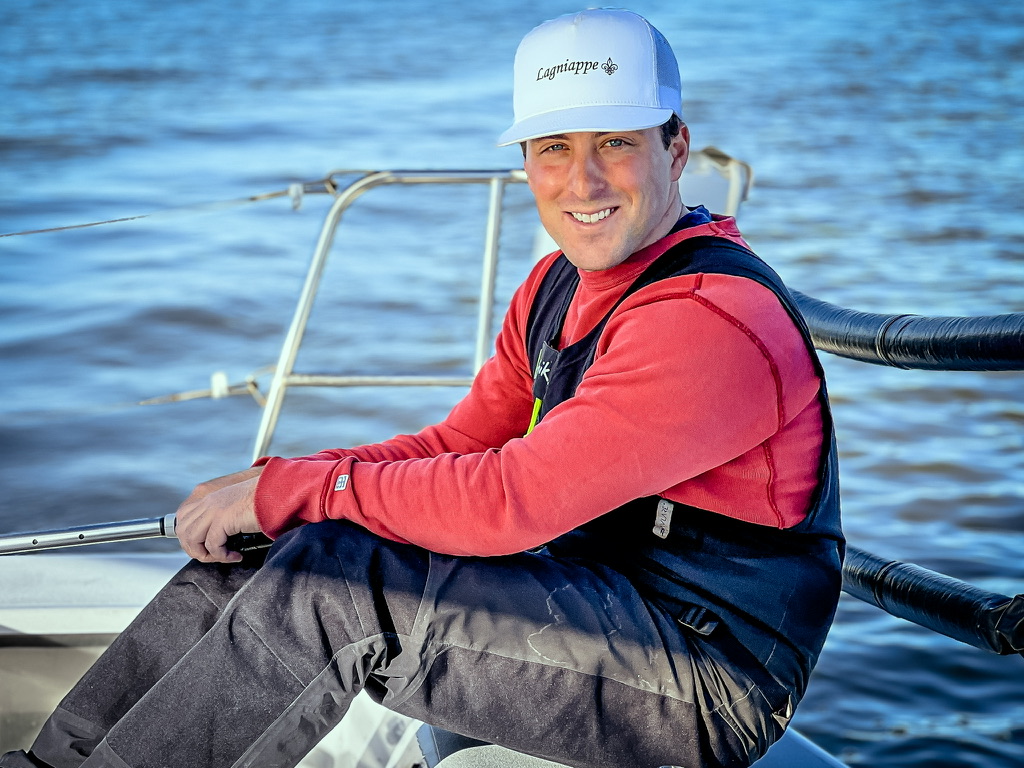
Shane Kilberg
USCG 100-Ton Captain with 15+ years offshore experience. America's Cup shore crew with American Magic. Based in Annapolis.
More about Shane →