Why Winter Kills Boats
Every winter, boats sink in Annapolis. Not from storms. Not from collisions. From preventable failures that happen slowly, silently, and usually while owners are home assuming everything is fine.
Winter doesn't destroy boats overnight — it exploits shortcuts. That fitting you didn't winterize. The hose clamp that's been marginal for years. The heater running on an extension cord you bought at Home Depot. These are the things that kill boats.
- Through-hull fitting cracks from ice expansion
- Engine block freeze (raw water side)
- Sinking from failed hoses or fittings
- Electrical fires from space heaters and extension cords
- Shore power failures during cold snaps
- Bilge pump freeze-up
The frustrating part? Almost all of this is preventable with proper preparation. The boats that survive winter aren't lucky — they're prepared.
I've seen brand-new boats sink because nobody winterized the generator. I've seen meticulous owners lose engines because they trusted "burst-proof" antifreeze that wasn't rated for actual Chesapeake cold snaps. And I've seen too many marina fires start from heaters that had no business being on a boat.
This guide covers everything you need to know — whether you're hauling out, staying in the water, or somewhere in between.
Haul Out vs Stay In the Water
This is the first decision, and it drives everything else. Both options work — but they require different approaches.
Hauling Out (The Safest Option)
If you can haul your boat for winter, it eliminates the biggest risks: ice pressure, flooding, and through-hull failures. Your boat sits on stands, systems are drained, and you don't have to worry about what's happening at the marina during a January cold snap.
- Boats under 35 feet (easier and cheaper to store)
- Older boats with questionable through-hulls or hoses
- Owners who won't be checking the boat regularly
- Anyone who wants zero winter stress
Downsides: Cost ($15-50/foot for seasonal storage), limited access during winter, and you'll need spring commissioning to get back in the water.
Staying In the Water (Common in Annapolis)
Most larger boats and liveaboards stay in the water year-round. This works fine — Annapolis doesn't freeze solid like Minnesota — but it requires active management.
Staying in means you're dealing with ice pressure, keeping systems running, and monitoring conditions. It's not "set and forget."
- Your marina has bubblers or you install your own
- You properly winterize all raw-water systems
- You have reliable shore power and monitoring
- You check the boat after every hard freeze
The key point: staying in the water is safe only if systems are managed correctly. Half-measures are worse than doing nothing, because they create false confidence.
| Factor | Haul Out | Stay In Water |
|---|---|---|
| Ice risk | None | Requires bubblers |
| Flooding risk | None | Present |
| Winter access | Limited | Full |
| Typical cost | $500-2,000+ | Slip fee + utilities |
| Monitoring needed | Minimal | Regular |
| Spring work | Full commissioning | Minimal |
Ice Physics: Why Boats Actually Sink in Winter
Understanding how ice damages boats helps you protect against it. Most people get this wrong.
Ice doesn't crush hulls. Fiberglass and aluminum hulls are strong enough to handle ice pressure in normal Chesapeake conditions. What ice does is load fittings, stress connections, and create conditions for slow failures.
How Ice Actually Causes Damage
Lateral expansion: Water expands about 9% when it freezes. In confined spaces — like inside a through-hull fitting, hose, or engine passage — this expansion cracks components.
Ice bonding: Ice bonds to hulls, docks, and fittings. As tides move and ice sheets shift, this creates leverage that can pop fittings loose or stress hose connections.
Downward pressure: Ice buildup above the waterline adds weight. Combined with ice bonding to the hull, this can push the boat down and force water above the normal waterline — into areas that aren't designed to be submerged.
Through-hulls near the waterline are the highest risk. A frozen hose clamp can crack a fitting. A hose that's been UV-degraded for years finally fails when ice forms inside it.
Bubblers & De-Icers: What They Do (And Don't Do)
Bubblers are the primary defense for boats staying in the water. But they're widely misunderstood.
What Bubblers Actually Do
Bubblers (also called de-icers or agitators) work by moving warmer water from the bottom up to the surface. The Chesapeake Bay doesn't freeze to the bottom — water below the surface stays warmer than freezing even in hard cold snaps. Bubblers circulate this warmer water to prevent ice from forming around your hull.
They also prevent ice from bonding to your hull and dock, which eliminates the stress caused by ice sheet movement.
Types of Bubblers
- Dock-mounted propeller bubblers: Most common. Mount on dock, aim flow along hull.
- Drop-in agitators: Hang from boat or dock, create circulation zone.
- Compressed air systems: Commercial use, rare for recreational boats.
- Place near stern and midship — protect the widest part of hull
- Aim flow along hull, not directly at it
- Run continuously when temps drop below 35°F
- Check after storms — ice and debris can shift them
What Bubblers DON'T Do
This is important:
- They don't heat the water — they just circulate it
- They don't protect through-hulls or internal systems
- They don't replace winterization
- They don't work if they lose power
Bubblers protect the hull from external ice. Everything else — engines, plumbing, through-hulls — needs separate winterization.
What If You Don't Have a Bubbler?
This comes up constantly. Your marina doesn't provide bubblers, or you can't install one, or the power goes out. What are your options?
Options (Ranked Best to Worst)
1. Haul out immediately. If you don't have ice protection and a hard freeze is coming, get the boat out of the water. This is the only guaranteed solution.
2. Relocate to a marina with bubblers. Some marinas have dock-wide bubbler systems. A temporary slip for winter might be cheaper than repairs.
3. Install a portable bubbler. Drop-in agitators run $200-500 and can be deployed quickly. Not as effective as proper dock-mounted systems, but better than nothing.
4. Manual ice breaking. Last resort. Dangerous and time-consuming. You can break ice around the boat, but you need to do it constantly during freezes, and you risk damaging the hull or fittings.
5. Relying on heaters alone. This doesn't work. Interior heaters can protect plumbing, but they don't prevent ice from forming on the hull exterior.
Engine & Mechanical Winterization
Engine damage is the most expensive winter failure. A cracked block or heat exchanger costs thousands. Proper winterization costs a few hundred.
Raw-Water Cooled Engines (Inboards & I/Os)
Raw-water engines pull bay water directly through the cooling system. Every passage that touches raw water must be protected.
Steps:
- Flush the system with fresh water
- Close the raw-water intake seacock
- Disconnect the raw-water intake hose
- Run the engine while feeding marine antifreeze into the intake
- Continue until full-color antifreeze flows from the exhaust
- Fog the cylinders (gas engines) or add fuel stabilizer (diesel)
Closed-Cooling Engines
Closed-cooling systems have a freshwater loop (like a car) plus a raw-water loop for the heat exchanger. You still need to winterize the raw-water side.
- Winterize raw-water intake, heat exchanger, and exhaust
- Check antifreeze concentration in the closed loop (should be good to -30°F)
- Inspect heat exchanger caps and hoses
Outboards
Outboards are simpler — they drain when tilted up. But:
- Flush with fresh water before storage
- Fog the carburetors or fuel injection
- Stabilize fuel
- Disconnect battery
- Tilt up and leave drain holes clear
Generators
The forgotten system. Generators have their own raw-water cooling and their own antifreeze needs. Winterize them exactly like your main engine — same process, same antifreeze.
Need Winterization Help?
I do engine winterization, full-system antifreeze, and mechanical prep. One visit, everything done right.
Marine ServicesAntifreeze: Types That Matter
Not all antifreeze is the same, and the wrong choice can cost you an engine.
Use ONLY Non-Toxic Propylene Glycol Marine Antifreeze
This is the pink stuff sold at every marine store. It's non-toxic (safe for discharge), won't damage rubber hoses or gaskets, and is rated for marine cooling systems.
Understanding the Ratings
Antifreeze labels show two numbers: freeze point and burst protection.
- Freeze point: Temperature where it starts to slush
- Burst protection: Temperature where it might crack pipes
For Chesapeake winters, you want burst protection to at least -50°F. Annapolis rarely sees temps below 10°F, but engine compartments can get colder than ambient air, and you want margin for safety.
- Automotive antifreeze (ethylene glycol) — Toxic, illegal to discharge, damages seals
- RV antifreeze not rated for marine use — Different formulation, may not protect adequately
- Windshield washer fluid — Not antifreeze, won't protect anything
Where Antifreeze Must Go
- Engine raw-water system
- Generator raw-water system
- Air conditioning raw-water lines
- Washdown pumps and hoses
- Freshwater system (different antifreeze is fine here)
- Heads — intake and discharge
- Holding tank discharge lines
Freshwater & Plumbing Systems
Freshwater systems freeze faster than you'd expect. Tanks, lines, and water heaters can all crack.
Complete Freshwater Winterization
- Drain the freshwater tank
- Open all faucets (hot and cold)
- Run the water pump until it runs dry
- Pour marine antifreeze into the freshwater tank
- Run each faucet until antifreeze appears
- Don't forget: transom showers, ice makers, wet bars, deck washdowns
Water heaters: Bypass or drain. Most have a bypass valve — use it. If not, open the drain plug and let it empty completely.
Heads (Marine Toilets)
- Pump out the holding tank
- Close the raw-water intake seacock
- Pour antifreeze into the bowl
- Pump through until antifreeze appears at the discharge
- Leave some antifreeze in the bowl
Heaters on Boats: The Dangerous Truth
This section might save your boat — or your marina.
Space heaters cause more marina fires than any other single factor. Every winter, boats burn because of heaters and the extension cords powering them.
If You Must Use a Heater
- Marine-rated only — No household heaters
- Tip-over protection — Auto-shutoff if knocked over
- Hard-mounted preferred — Secured in place, can't move
- Direct plug to outlet — No extension cords
- Nothing flammable nearby — 3+ feet clearance
The Extension Cord Problem
This is where boats burn.
Household extension cords are not rated for continuous marine use. They corrode. They overheat. They fail at connections. When you run a 1500-watt heater through a cheap extension cord for weeks, you're creating a fire.
- Use household extension cords for heaters
- Daisy-chain multiple cords
- Run cords through hatches or doors (pinch points)
- Use cords with any damage or corrosion
If you need to run a heater and can't plug directly into a boat outlet, use a marine-grade shore power extension rated for the amperage, and inspect it regularly.
What Heaters Should Be Used For
Heaters protect interior spaces — the cabin, engine compartment (with proper heaters), and plumbing areas. They reduce condensation and keep pipes from freezing.
They do NOT:
- Protect the hull from ice (that's what bubblers do)
- Replace proper winterization
- Work when the power goes out
Electrical & Shore Power Prep
Your boat's electrical system is the lifeline for everything else. If shore power fails, heaters stop, bilge pumps stop, and bubblers stop.
Shore Power Checklist
- Inspect shore power cord for cracks, corrosion, or damage
- Clean plug contacts with electrical cleaner
- Verify GFCI operation at the pedestal
- Confirm the pedestal breaker is rated for your load
- Secure the cord above waterline — ice and wave action can submerge connections
Battery Care
Batteries freeze when discharged. A fully charged battery won't freeze until well below zero. A dead battery can freeze at 30°F.
- Fully charge all batteries before winter
- Install a smart charger or battery maintainer
- Check electrolyte levels (flooded batteries)
- Clean and protect terminals
Bilge Systems: The Last Line of Defense
When everything else fails, the bilge pump is what keeps your boat floating. In winter, bilge systems fail for predictable reasons.
Why Bilges Fail in Winter
- Pumps freeze — Water in the pump housing expands and cracks impellers or housings
- Float switches ice up — Can't activate even when water is present
- Discharge hoses freeze — Pump runs but water can't exit
- Batteries die — No power to run pumps
Best Practices
- Keep the bilge as dry as possible going into winter
- Add a small amount of antifreeze to residual bilge water
- Insulate exposed discharge hoses
- Test pump operation monthly
- Consider a high-water alarm that alerts you remotely
Insurance & Documentation
Check your policy. Many marine insurance policies have specific winter requirements.
Common Policy Requirements
- Professional winterization required (or documented DIY)
- Bubblers required if staying in water
- Specific haul-out dates in some regions
- Notification if boat is unattended for extended periods
Failure to comply can void your coverage. If your boat sinks and the surveyor finds you didn't winterize, you may have no claim.
Document Everything
- Keep winterization receipts
- Take dated photos of work performed
- Save service records
- Note dates of inspections
Winter Monitoring
Set-and-forget doesn't work for boats in the water. Check your boat after every significant freeze or weather event.
After Each Freeze, Check:
- Ice contact with hull (any bonding?)
- Bubblers running and positioned correctly
- Heaters operating
- Shore power connected and secure
- Bilge water level
- Any visible damage or issues
Remote Monitoring Options
Technology can help, especially if you can't check frequently:
- Temperature monitors — Alert when cabin drops below threshold
- Power-loss alerts — Know immediately if shore power fails
- Bilge alarms — High-water alerts sent to your phone
- Cameras — Visual check without visiting
Need Someone to Check Your Boat?
I offer winter monitoring visits — check systems, verify bubblers, inspect for issues after freezes.
Captain ServicesCommon Mistakes That Sink Boats
Every year, the same mistakes claim boats. Learn from others:
- "It's been fine every year" — Until it isn't. One bad cold snap exposes years of marginal prep.
- Forgetting the generator — Separate system, needs separate winterization.
- Relying only on heaters — Heaters protect interior spaces, not through-hulls or engine cooling.
- Not checking after power outages — Bubblers stop, heaters stop, pumps stop.
- Leaving water in hoses — Especially raw-water hoses, AC drains, and washdown systems.
- Ignoring transom fittings — Often the lowest point, often forgotten.
- Partial winterization — The one system you skip is the one that fails.
The Bottom Line
Winter boating failures aren't bad luck — they're planning failures.
The boats that make it through winter aren't special. They're prepared. Owners either haul out and winterize properly, or they stay in with bubblers, monitoring, and systems that are actually protected.
There's no middle ground. Half-measures sink boats.
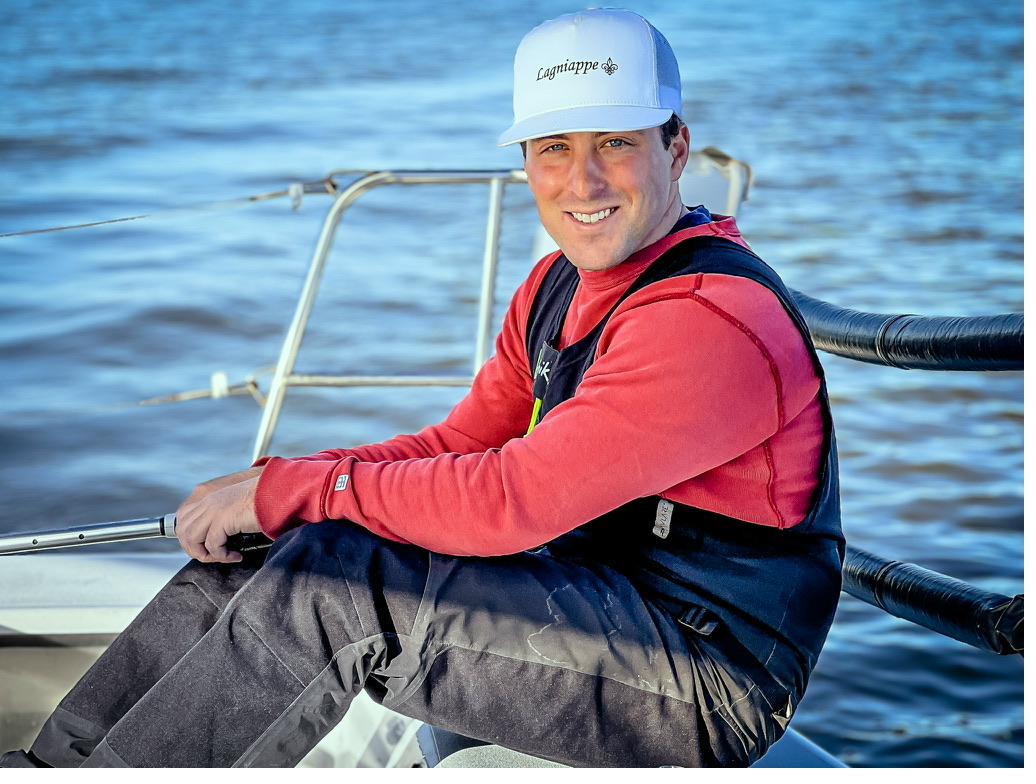
Captain Shane Kilberg
USCG 100-Ton Master · Marine Advisor · Annapolis
Shane has been preparing boats for Chesapeake winters for over a decade. He offers winterization services, winter monitoring, and has seen every cold-weather failure mode there is.